
Grain Mills Th Century England manufacturer Grasping strong production capability, advanced research strength and excellent service, Shanghai Grain Mills Th Century England supplier create the value and bring values to all of customers.
 WhatsApp)
A brief history of english carpets, and the stourvale town of kidderminster, worcestershire, lies about 20 miles southwest of birmingham in the english industrial has been a center of weaving for many centuries, and in the mid late eighteenth century began to specialize in new forms of carpet weaving, rightfully coming.
The word corn, used in the 18 th century, meant a kernel or granule of something, like a grain of wheat, rice, barely, or even we say corn we usually mean yellow corn, field corn, or sweet corn, but in the 18 th century they always used the term indian corn or maize.
More than 95 of the uk grain used by planted in januarymarch is generally spring tends to yield less, but can suit some farms imported from north america, which accounts for 600700 thousand tonnes each year, is spring wheat used to make breadmaking flour.
By the early 20 th century, steel mills had completely taken over, bull the new technology produced a popular, very white flour, it came at an unforeseen miller explained that steel mills, with their very fine tolerances, could pop the wheat germ out of the grain before milling actually began, bull adds.
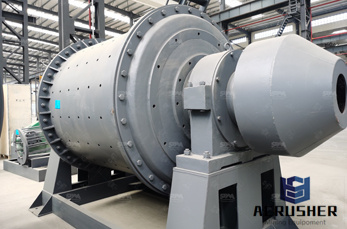
Shropshire definition of a mill is a building equipped with machinery for grinding grain into flour or for a particular manufacturing earliest mills were operated by water and then windmills were introduced.
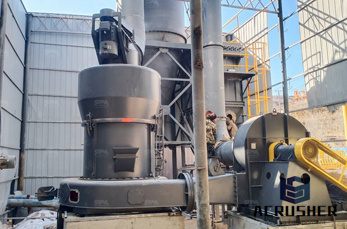
19thcentury woollen mills wool processing was an obvious industry for new zealand, with its huge flock of sheep and booming wool exports in the late 19th letter in the timaru herald in 1870 asked why not use our own of sending it to.
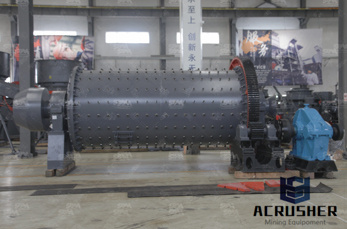
The first decade of the 20th century was marked by the construction of a number of large new roller mills such as joseph ranks premier mills at victoria docks in london and atlantic mills, barry docks in cardiff, vernons millennium mills, also at victoria docks, and, at the manchester end of the ship canal, baxendells sun mills, which were subsequently acquired by the cooperative.
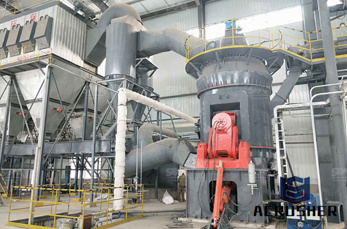
Port of tilbury, londons major port, this month marks the 50th anniversary of its grain terminal, the uks largest terminal for the import and export of at a cost of million in todays money, the grain terminal has processed over 35 million tonnes of product since opening.
10 reasons why life sucked in the 19th in the mills and factories before the age of safety regulations was reported numerous instances of women, children, and men being mangled by exposed halfgrain of strychnine was enough to kill a healthy person, so the deceased.
British trade policy in the 19th century a review article1 kevin closed the uk market to imported grain for most of the next 7 would be expected, landowners favoured the measure, while in, but 66 in crafts and mills, 1994, table if real wages were not.
But since women stepped up to the podium in the mid 19th century with base facts, knowledge of the past has changed true to say, the streets of london in the 16th17th century was damnably grim, hence the phrase gardyloo yelled from overhead windows along narrow streets when slop and peepoo pots were tipped willy nilly.
From the time puritans settled in new england in the seventeenth century to the decades after the american revolution, the regions landscape was dotted by small mills that used water power for sawing wood, grinding grain, and carding wool to meet the needs of local communities.
Census of 1861 reported that there were 13 flour and grist mills operating in simcoe owners of early 19 thcentury new england grist mills were usually rather prosperous men, and like most of the population at that time, the majority were farmers.
In the early 19th century working class londoners lived on plain food such as bread, butter, potatoes, and meat was a, the diet of working people improved in the late 19th and steamships made it possible to import cheap grain from north america so bread became cheaper.
By the end of the 2nd century stone wall was erected around wall was 20 feet the wall was a the middle of the 3rd century 20 bastions were added to the wallsa bastion was a semicircular tower projecting from the wall.
Craig muldrew has argued that increased agricultural production in england, particularly grain production, allowed for a better fed and more energetic population in the course of the 18th as i pointed out at the beginning of this review, agricultural products are not them into food requires a great deal of energy and.
Corn law, in english history, any of the regulations governing the import and export of mention the imposition of corn laws as early as the 12th laws became politically important in the late 18th century and the first half of the 19th century, during the grain shortage.
The name was often used as a nickname in 16 th century england for a person with a dark complexion and the use of the name mills provided the vast majority of our food in times past.
Against a backdrop of industrialisation and the subsequent overcrowding in the cities, matthew white investigates health and hygiene in 18th century knowledge was very basic during the this there were gradual improvements in healthcare, for many people even minor.
The domesday book, a survey prepared in england in 1086 ad, lists 5,624 water mills this number is low since the book is century earlier, fewer than 100 mills were records tell a similar the aube district, 14 mills operated in the 11 th century, 60 in the 12 th, and nearly 200 in the 13 picardy.
Geographical specialization of products was established, with southeastern england specializing in grain, for example, and scotland or leicestershire in breeding cattle and money such as that from yorkshire or herefordshire illustrates the importance of farming through idealized images of agricultural bliss.
Gold england occupations, census occupations, explanation of old occupations, census,.In the mills one who bailed wool or cotton goods balister archer most commonly a winnower an agricultural worker who separated the grain from method of winnowning was also used to remove weevils or other pests from stored.
The victorio hand powered grain mill is widely available, including online stores and retails at around one at home ensures that you are able to mill your own flour.
Irish immigrants fleeing famine in the late 1840s, and frenchcanadian immigrants after 1865, provided a source of labor for vermonts railroads and the 1840s and 1850s the lumbering business flourished along lake champlain and the connecticut was the last new england state to build a railroad, in 1849.
WhatsApp)
 Online Chat
 Sales Hotline